Liver Transplant Program

 How the Liver Works

In order to better understand why you need a liver transplant, it is important to understand how a healthy liver works - what it is and what it does.

The liver is the largest organ in your body and may weigh three to four pounds. The liver has many complex functions including manufacturing, storing, changing, and excreting a large number of substances that your body needs to function. Your liver is located on the right side of your abdomen, behind your ribs and below your lungs. Your gallbladder is located under the liver. There are many important blood vessels surrounding the liver that carry in nutrients and take away waste products. Read more about how the liver works.

Becoming a Liver Transplant Candidate

Liver Transplant is indicated for a number of disease conditions including: Hepatitis C and B cirrhosis, Alcoholic cirrhosis,  Hepatocellular carcinoma, Non-alcoholic fatty liver disease, Autoimmune hepatitis, Alpha 1 anti-trypsin deficiency, Primary Biliary cirrhosis,  Primary sclerosing cholangitis,  Hemochromatosis, Wilson's disease (primarily children), Sarcoidosis,  Cholangiocarcinoma, Biliary atresia (primarily children)

To ensure the success of your treatment, the transplant team must have a complete medical, psychosocial, financial evaluation to determine that transplant is the right thing for you.

  • Your Liver Transplant Team
    As part of our Continuum of Care, the team responsible for the lifetime of your care will be involved with you from the very first step of the process. The team consists of surgeons, nephrologists, social workers, nurses, dietitians and financial counselors. Each member of the team plays a valuable role in your care. Read more about your liver transplant team.
  • Living or Deceased Liver?
    If you have family members who are interested in donating a portion of their liver, a living related transplant may be possible. Sometimes patients have a spouse or good friend who is interested in becoming a donor. This type of transplant is called a living unrelated transplant because the patient and donor are not related genetically. More than 80% of patients do not have living donors available to them or the individuals interested in donating cannot donate for medical reasons. These patients are placed on the waiting list to receive a deceased donor transplant.
  • Waiting List
    The organ waiting list is part of a nationwide computerized network called United Network for Organ Sharing (UNOS). All transplant centers in the United States belong to UNOS. UNOS is responsible for continuously updating the list, in order to provide accurate transplantation and donation information to patients and transplant programs. UNOS is a private agency that reports to the federal government and is committed to making certain patients throughout the country receive healthy organs.
The Liver Recipient Process

The Model for End-Stage Liver Disease (MELD) is a numerical scale, ranging from 6 (less ill) to 40 (gravely ill), that is used for adult liver transplant candidates. It gives each individual a 'score' (number) based on how urgently he or she needs a liver transplant within the next three months. Read more about MELD.

The Surgery

What to Expect after Liver Transplant Surgery

After the transplant operation, you will be taken to the transplant intensive care unit, where a team of trained transplant specialists will take care of you. You will meet physicians, nurses, pharmacists, residents, and social workers all whom specialize in transplant care. Read more about what to expect after liver transplant surgery.

What to Expect when you go Home After Your Liver Transplant

After going home from the hospital, it is important to have regular blood tests, liver function tests (LFT's) and clinic visits. Any impairment of the liver function can be first noticed by an increase in the LFT's. There can be many other reason for an increase in LFT's, including acute rejection. As there are no specific symptoms for early acute rejection, it is important to review all of your blood tests including liver enzymes and immunosuppressive medication levels. It may be necessary to obtain a liver biopsy to tell the difference between rejection and other causes of decreased liver function.

  • Clinical Visit Follow-Up Schedule
    Before you go home, you will be told when your first clinic visit is scheduled. Bring the information you kept recorded with you to your clinic visits. Read more about clinical visit follow-up schedule.
  • Resuming Daily Activities
    Now that you have your transplant, you should resume your previous activities. You may even feel good enough to add a few new ones. Walking is the best exercise the first six weeks after your transplant. We also recommend other guidelines to follow as you return to enjoying life's daily activities. Read more about resuming daily activities.
  • Tips for a Healthier Life after Transplantation
    After your kidney transplant, there are plenty of things you can do to guarantee healthy living. These practices range from getting enough sleep to eating properly.
  • Exercise - What is Best for You?
    Regular exercise may be difficult at first, but over time it will get easier and easier. Most people find that once they start exercising, they look forward to the daily activity and the benefits they receive from it. Once you become accustomed to an exercise routine, you will feel healthier, sleep better, and have more energy. Exercise does not have to be boring or the same thing every day. Consider dancing, fishing, walking, mowing the lawn or vacuuming.

Medications

  • Immunosuppression and Rejection
    Your immune system is important in protecting your body from infection and cancer. T cells from your immune system are always circulating in the blood and identifying foreign tissue such as a newly transplanted organ. Read more about immunosuppression and rejection.
  • Immunosuppressive Medications
    Immunosuppressive medications (anti-rejection medicine) will be given to stop your immune system from damaging the transplanted organ. Read more about immunosuppressive medications.

Our Team

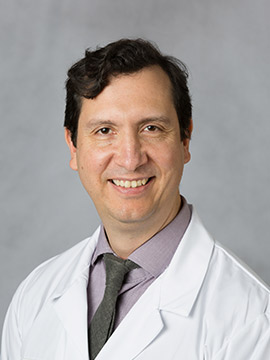
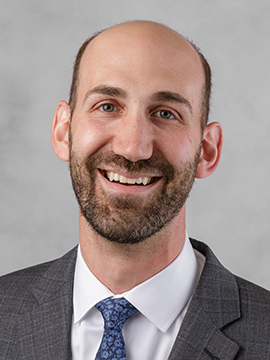
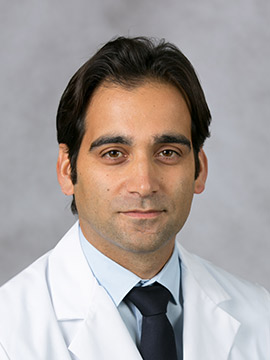
The multi-disciplinary Liver Transplant team includes the following:

  • Primary Surgeons
  • Transplant Nephrologists
  • Social Workers
  • Living Donor Advocate
  • Dietitian
  • Financial Counselors
  • Pre Transplant Nurse Coordinators
  • Post Transplant Nurse Coordinators
  • Waitlist Coordinator
  • Pharmacists

Printer Friendly Share this page